Is 3D Printing The Future of Fashion?

3D Printing despite still being a fairly new technology has found purpose in almost every industry including fashion. From shoes to bags to wearable garments 3D printing in fashion has been on the rise since the first ever 3D printed dress was showcased on model Dita Von Teese. The elaborate and heavily embellished black dress was the marking of a revolutionary fabrication method.

3D1

Iris Van Herpen is a Dutch fashion designer who has taken advantage of 3D printing to create truly spectacular pieces. 3D printing was once only capable of creating a hard look, feel and texture resulting in structural and sculptural works however Iris Van Herpen has created collections that feature 3D printing in a fluid and soft manner adding to the appeal of this emerging technology. 3D printing allows for garments to be precisely custom and as it is continued to be developed I am sure benefits to its use will continue to arise at which point I believe further designers and manufactures will take advantage of its capabilities.


3D3

Textile Waste – How Harmful Is It? Can We Reduce It?

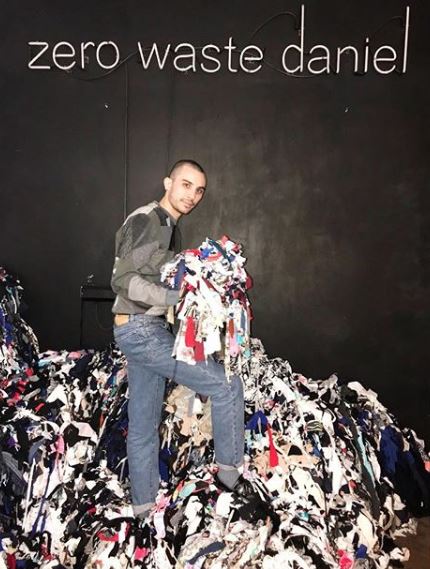
The Textile industry is the second most damaging industry to our planet after oil. Although awareness of this fact has increased there is still a long way to go and designers like Daniel Silverstein are paving a path for other designers and makers to follow. Silverstein is the creator of the rapidly growing label Zero Waste Daniel. Zero Waste Daniel is a company committed to producing clothing from 100% textile scraps. The process undertaken in order to develop these 100% recycled collections is known as the re roll technique. Through this process Silverstein is able to divert approximately 1 pound of textile scrap away from landfill per garment he produces.ZWD3

Zero Waste Daniel’s mission is to “Tackle and Change Industry Norms by reimagining design and creation without waste.” Zero Waste Daniel is also the first company to be 100% zero waste. Beyond what they are producing themselves Zero Waste Daniel also provide there signature reroll fabrics to other companies and individuals so they can participate in the movement towards less textile waste. Working to minimize the effect of the textile industry is imperative to our planet earth and to our own well being. I believe that companies that work to minimize there waste and environmental impact are the future and I look forward to seeing more companies thrive as they consider the environmental affect of their choices.

ZWD2

Sustainable Fibre Types and the Slow Fashion Ethos

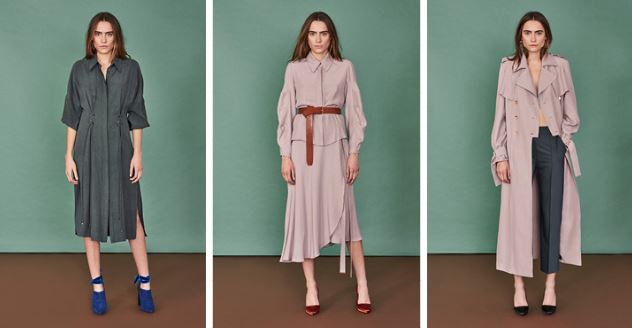
Due to technological advancement there is now a variety of sustainable fibre types available for the production of clothing. One of these fibre types is called Tencel. The production of the Tencel fibre which begins with the extraction of raw material from renewable eucalyptus forests has received accolades including the European award for the environment because it can recycle almost 100% of the solvent used in its production. This is considered a closed loop or cradle to cradle process because it has no end life. One of the Australian labels pioneering the use of the Tencel fibre is Ginger and Smart. Ginger and Smart started by sisters Alexandra and Genevieve Smart, are aware of the beneficial properties of Tencel which involve it being even softer than silk, more cool than linen and having higher absorbency than cotton and I believe that this is a fibre type that will in the future be embraced by many more labels as awareness of social and environmental responsibility grow within companies.

gs3

Ginger and Smart also believe in slow fashion. We live in a society where overall Americans throw away approximately 70 lbs of clothing annually. In a world where disposable fashion is so widely accepted I believe slow fashion is a positive and much needed change. The concept of of slow fashion is where a garment is made to exceptional quality and not only exceeds its expected lifespan physically but is also made to withstand the ever changing trends of fast fashion. In my opinion slow fashion will likely be adopted by more labels in the years to come as we as a society try to combat the damage already done by the incredible amount of textile waste in global landfills.

gs2